The Connection Between Hearing Health and Brain Function
Most people think of hearing as something their ears handle on their own.
By: admin | December 21, 2025
We’re pretty good about scheduling annual physicals, dental cleanings and eye exams, but hearing tests often get overlooked until something feels clearly wrong.
The truth is that hearing changes can happen so gradually that you might not realize you’re missing parts of conversations, turning up the volume more than you used to or feeling tired after social events because your brain is working overtime to fill in the gaps.
Regular hearing tests catch these shifts early, often before they start affecting your daily life in noticeable ways.
When you know where your hearing stands, you can make small adjustments or seek solutions early, keeping communication clear and making sure you can continue participating fully in the activities and relationships that matter to you.
Taking a proactive approach to hearing health can significantly impact a hearing aid wearer’s overall quality of life. Periodic hearing tests provide a detailed look at how changes in sound perception might be affecting daily activities, personal relationships and general safety. Detecting these changes early opens up a wider range of options for support and treatment, making the transition to using hearing technology much smoother.
It is helpful to keep an eye out for certain signs that might suggest it is time for a professional evaluation:
When hearing starts to shift, it often happens so slowly that a hearing aid wearer might not notice how much their routine has changed at first. Simple activities that used to be automatic, like chatting over a morning coffee or listening to the news, begin to require a lot more mental energy. =
The impact of these changes usually shows up during social gatherings where group settings or family dinners become taxing. It is often hard to track multiple voices against background noise, which makes these events feel more like work than fun. Phone communication can also become stressful without visual cues, causing some people to avoid calls altogether.
Evening relaxation, like watching television, might cause tension if the volume needs to be high enough to bother others in the house. Even workplace interactions require intense focus to follow along in meetings or hear a coworker from across the room. =
It is common for a hearing aid wearer to feel frustrated when they can no longer participate in a conversation as easily as they once did. Addressing these changes early with the right technology helps restore a sense of ease to these daily moments.
When hearing loss is not addressed, it often becomes harder to keep up with conversations, especially in group settings or noisy places. You may start to feel left out or disconnected when you cannot follow what others are saying.
Over time, this can lead to avoiding social events or spending less time with friends and family. Many people who find communication more difficult due to hearing changes experience this sense of separation.
Understanding the link between hearing loss and feeling isolated highlights the importance of addressing hearing concerns early. Staying informed about your hearing health helps you maintain strong connections with those around you.
Hearing tests help you communicate better by identifying which sounds are hardest for you to hear. With this information, the professional can suggest solutions that match your needs, like hearing aids or special listening strategies. These steps make it easier to follow conversations and participate with others.
When you know which types of sounds are difficult for you, it becomes easier to let friends and family know how they can help. For example, asking people to speak clearly or face you when talking can make a big difference in group settings. This helps reduce misunderstandings and keeps conversations flowing smoothly.
Feeling confident in conversations is important for staying connected with others. Hearing tests give you the tools and support needed to communicate more easily every day.
To get the most out of your visit with the audiologist, a small amount of preparation can go a long way. Having the right information ready allows the specialist to focus on the specific challenges you face in your day-to-day life.
Here are a few ways to prepare for your appointment:
When you arrive at our office, the process begins with a detailed conversation about your medical history and your specific hearing needs.
We will discuss the environments where you find it most difficult to hear, like in noisy restaurants or during family gatherings. This conversation helps the audiologist understand how any hearing changes are impacting your unique daily routines.
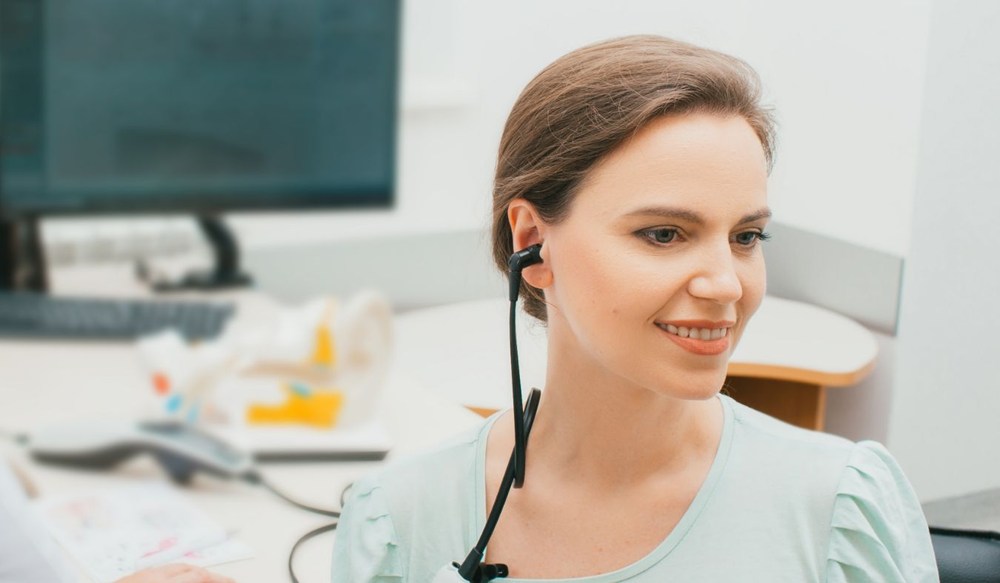
Before the formal testing starts, the professional will perform a physical exam of your ear canal using a specialized tool called an otoscope. This check allows the specialist to ensure that there are no physical blockages, like earwax, that might interfere with your results. It also confirms that the eardrum and ear canal are healthy.
Once the physical exam is complete, the hearing aid wearer will move into a quiet, sound-treated space for the formal assessments. You will be asked to listen to a series of tones and spoken words through headphones.
These tests are simple and non-invasive, requiring only your focus to identify the quietest sounds you can hear.
After the evaluation is finished, your audiologist will review the results with you in detail. They will explain your audiogram and discuss how modern technology can help you stay tuned in to your surroundings.
This is the perfect time to ask questions about how they can help you improve your quality of sound so you can fully participate in your social life.
Hearing evaluations involve several different checks to get a complete picture of how a person processes sound. These tests are painless and straightforward, providing the data needed to understand which specific areas of hearing might need support.
An audiologist will typically use the following methods to assess your hearing health:
Once the evaluation is complete, the audiologist will sit down with you to go over your results in detail. This conversation centers around the audiogram, which is a graph that shows exactly which frequencies and volumes you are hearing clearly and where you might be missing information.
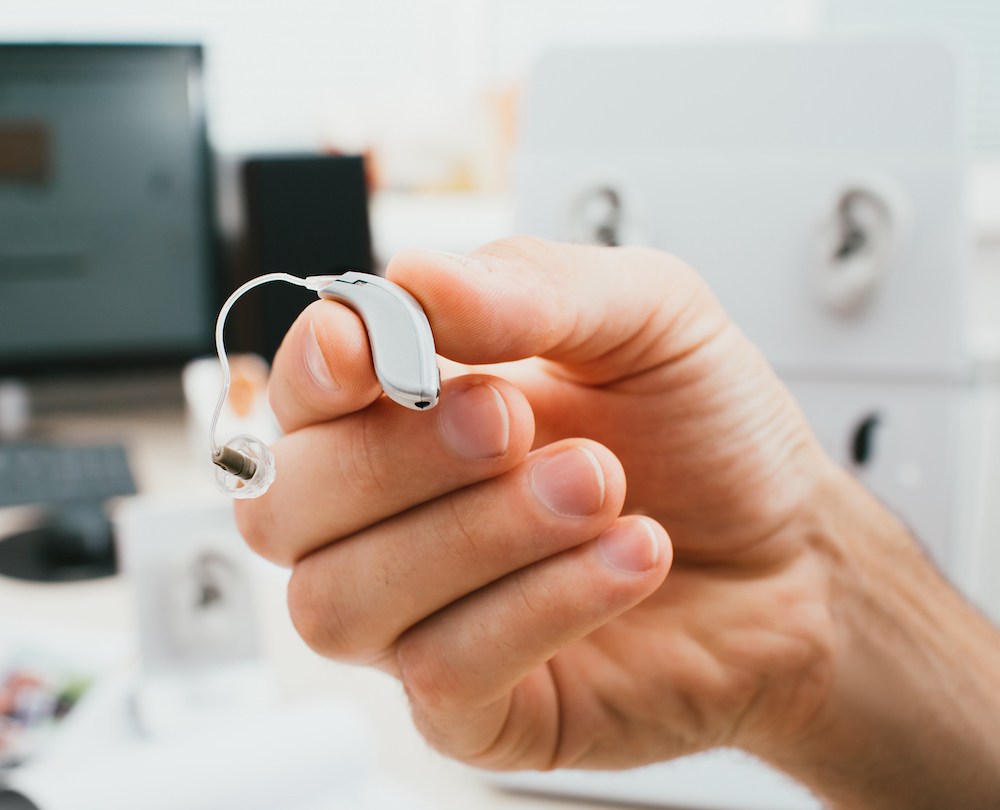
The primary recommendation for most types of hearing loss is hearing aids. These devices are much more than simple amplifiers; they are sophisticated processors that can be customized to your unique hearing profile.
Your professional will explain how different styles and technology levels can address your specific needs, whether you require help in quiet one-on-one settings or in more complex, noisy environments.
Selecting the right device is a collaborative process that takes your manual dexterity, cosmetic preferences and daily activities into account. Modern options range from discreet models that sit deep inside the ear canal to powerful behind-the-ear units that offer extensive features.
This discussion is also an opportunity to explore features like rechargeability or direct streaming for your television and phone. Your audiologist will help you understand these choices to ensure the technology fits your life rather than requiring you to change your habits.
When you are exploring technology options with your audiologist, asking the right questions can help you feel more certain about your choice. These inquiries ensure that the devices you select will align with both your clinical needs and your personal lifestyle.
The following questions can help guide your conversation during the consultation:
Getting clear answers to these questions helps the hearing aid wearer understand exactly what to expect from their new investment. This open dialogue with the audiologist builds the groundwork for long-term success and satisfaction with the technology.
Regular hearing tests give you a clear picture of how your hearing is doing over time. They help spot changes that are easy to miss on your own and provide a baseline you can refer back to as life changes. Having that information makes it easier to make informed decisions and avoid surprises later on.
If you are wondering whether it is time for a hearing test or simply want to stay consistent with routine care, we are here to help.
You can reach Tampa Audiology Solutions in Florida at (656) 333-6686 to schedule a visit or ask questions. We will work with you to keep your hearing care simple, clear and easy to manage.
Tags: audiogram, speech tests, tympanometry

Most people think of hearing as something their ears handle on their own.
By: admin | February 20, 2026
We’re pretty good about scheduling annual physicals, dental
By: admin | December 21, 2025
When summer arrives and temperatures climb, it is easy to forget how heat
By: admin | August 21, 2025